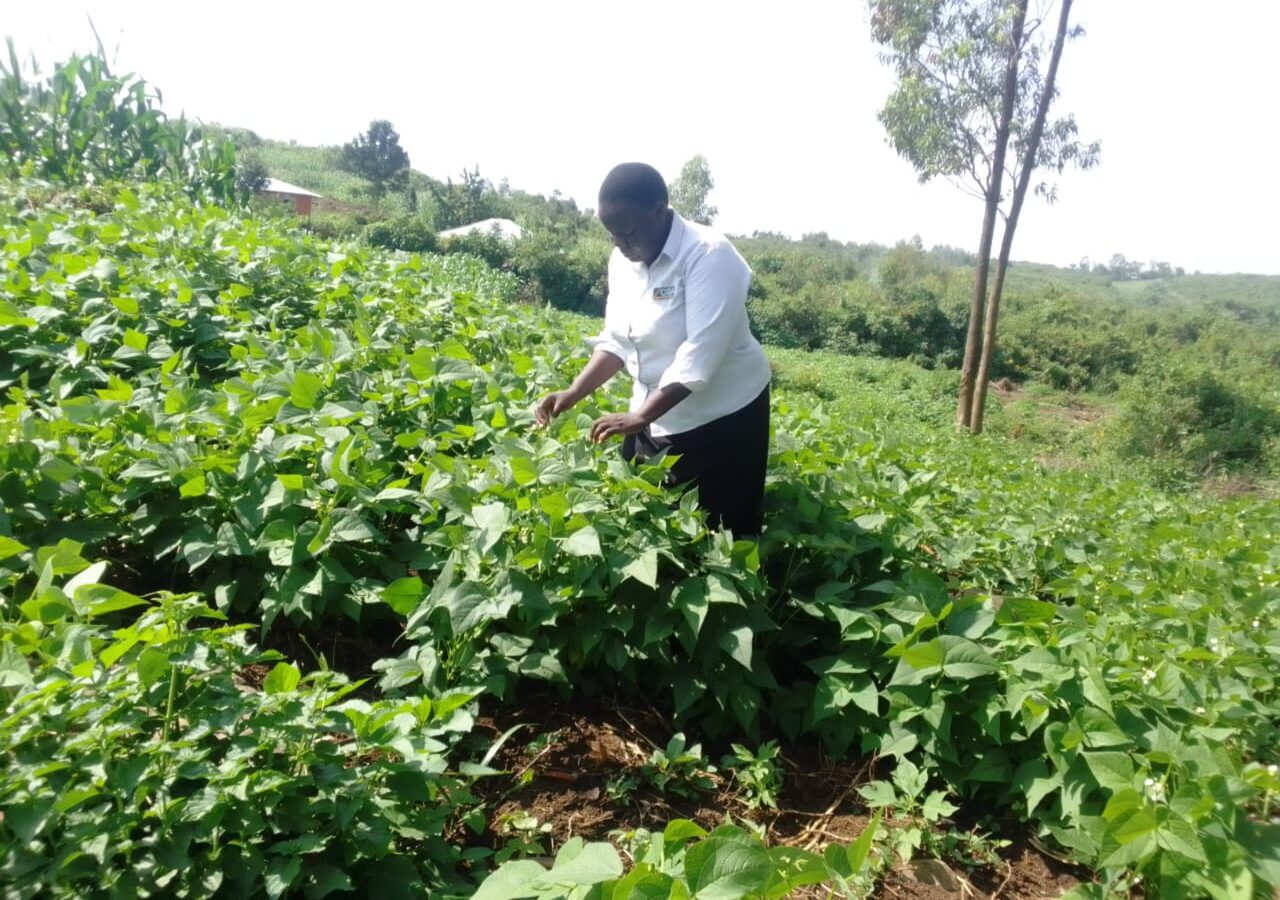
April represents the peak of the long rains season, with abundant moisture and responsive soils creating optimal conditions for crop development. The timing of management decisions during this period directly influences harvest outcomes.
Five Key Practices for April
- Top-dress maize at the 4th–6th leaf stage using CAN, applying nitrogen when soils are moist — not waterlogged — with side-placement techniques to maximise efficiency.
- Scout for fall armyworm twice weekly, checking the whorl where larvae hide. Early detection enables use of cost-effective biological controls like Bacillus thuringiensis on young larvae.
- Intercultivate following heavy rains to address surface crusting and soil compaction, especially in clay-rich soils, restoring aeration and controlling weeds.
- Dry stored grain to below 13.5% moisture using hermetic bags — aflatoxin contamination is a growing buyer concern that can result in rejection of profitable grain lots.
- Wheat farmers in highland regions should begin variety selection, certified seed sourcing, and pre-season soil testing this month to prepare for October planting.